How to Choose the Perfect Skylight for Your Roof: A Comprehensive Buyer's Guide
Picking the right skylight for your roof demands thorough assessment of multiple aspects. From learning about various styles to determining the appropriate dimensions and position, every choice influences the total performance and visual appeal. Energy efficiency features and materials also play critical roles. Moreover, the choice between DIY installation and hiring a professional can influence both cost and outcome. Given the abundance of alternatives, arriving at a knowledgeable choice can be complex yet satisfying. Which factor deserves the most initial attention?
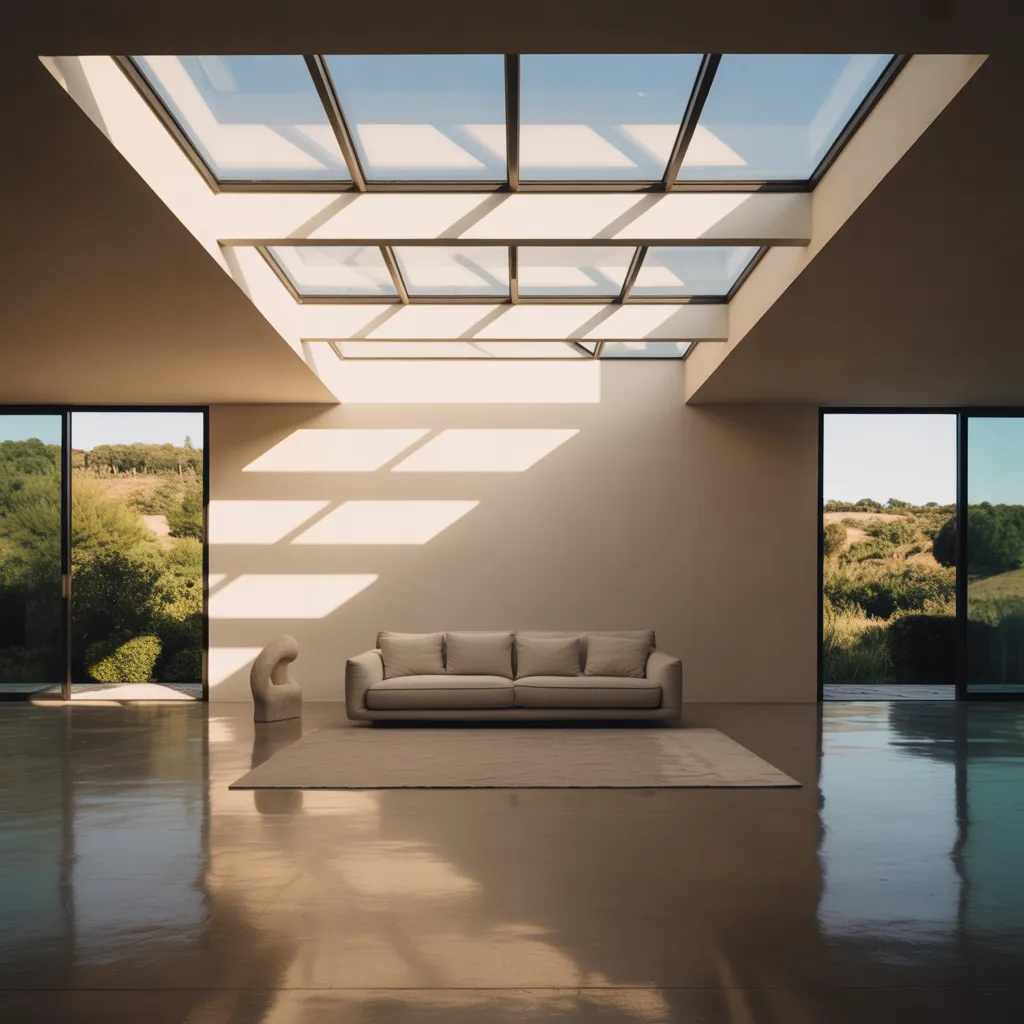
Exploring Various Skylight Types
Skylights come in various types, each tailored to address distinct requirements and visual appeal. Fixed skylights are non-opening units designed chiefly to bring in natural light, making them well-suited for rooms where ventilation is unnecessary. Ventilated skylights, by contrast, are designed to open and promote air circulation, improving interior comfort levels. Tubular skylights are small in size and built specifically for tighter areas, directing natural light through a highly reflective tube, which makes them ideally suited for hallways or bathroom areas.
Glass types vary, with acrylic and polycarbonate among the selections, with each option delivering distinct insulation and UV protection levels. Furthermore, select skylights include built-in blinds or shades, offering greater control over light and privacy. Picking the ideal type means taking into account factors such as climate, room function, and architectural style, so that the selected skylight aligns with the overall design while satisfying functional requirements.
Determining the Right Size and Placement
When choosing the optimal dimensions and positioning for a skylight, it is important to take into account both the size of the area and the desired amount of natural light. A more expansive skylight can enhance brightness in expansive areas, while smaller options may be adequate for smaller rooms. Furthermore, the height of the ceiling and the orientation of the room should influence the decision; placements facing south tend to maximize natural light absorption.
Proper placement is essential for achieving ideal light distribution. Skylights placed toward the middle of a room are capable of lighting a wider space, while those mounted nearer to walls tend to produce concentrated light zones. It is also important to take into account potential obstructions, such as trees or neighboring buildings, which may block sunlight. At the end of the day, harmonizing size and placement ensures that the skylight meaningfully elevates the character and practicality of the space, fostering a serene environment enriched with natural light.
Important Energy Efficiency Attributes in Skylights
Choosing skylights with energy efficiency in mind can significantly influence a household's total energy consumption. High-performance energy-efficient skylights typically feature double or triple-pane glazing, which reduces heat transfer and assists in maintaining consistent indoor temperatures. Low-emissivity (Low-E) coatings are another essential feature, reflecting infrared light while allowing natural sunlight to enter, thereby reducing reliance on artificial lighting.
Additionally, skylights featuring insulated frames further enhance thermal performance, blocking cold drafts in winter and unwanted heat buildup during summer months. Thoughtfully constructed skylights can also include ventilation capabilities, facilitating natural airflow that works to maintain indoor climate without unnecessary energy consumption.
In addition, selecting models with a high solar heat gain coefficient (SHGC) can enhance solar energy benefits, making certain that homes remain livable year-round. By prioritizing these critical energy efficiency elements, homeowners can secure notable savings on energy charges while contributing to a more eco-friendly living environment.
Elements That Boost Longevity and Style
When selecting a skylight, the choice of materials plays a vital role in both durability and aesthetic appeal. Property owners can select between acrylic and glass alternatives, each offering distinct advantages regarding resilience and visual quality. Moreover, the frame material must be considered to guarantee peak performance and seamless blending with the existing roof design.
Comparing Glass and Acrylic Options
Which material provides the ideal balance of durability and visual appeal for skylights: glass or acrylic? Glass skylights are celebrated for their superior clarity and ability to resist yellowing over time, making them an attractive option for homeowners who value durability and a sophisticated look. They also offer superior scratch resistance, ensuring a clear view and minimal maintenance. On the other hand, acrylic skylights are notably lighter and more impact-resistant, making them an ideal option for areas susceptible to harsh weather conditions or flying debris. Nevertheless, they may demand more regular replacement owing to their susceptibility to ultraviolet degradation. Ultimately, the choice between glass and acrylic copyrights on the homeowner's priorities, such as desired aesthetics, maintenance levels, and environmental conditions. Every material presents its own set of advantages, carefully aligned with different requirements and individual preferences.
Frame Material Factors
A skylight's frame material is crucial to both durability and aesthetic appeal. Popular options include aluminum, wood, and vinyl, all of which offer specific strengths. Frames made of aluminum are both lightweight and rust-resistant, making them suitable for various climates. Wood frames provide a classic look and excellent insulation but demand routine care to prevent damage over time. Vinyl framing options are minimal in upkeep and highly energy-efficient, offering good resistance to moisture and UV rays. While deciding on a frame material, take into account regional climate, the home's architectural style, and preferred upkeep levels. The ideal decision will ultimately extend the skylight's durability while enhancing the home's overall structural design.
Should You DIY or Hire a Pro for Installation?
When considering skylight installation, homeowners need to balance their knowledge and capabilities against the challenges of the project. Budget concerns also play a significant role, as DIY attempts may appear cost-effective but can lead to unforeseen expenses. Moreover, the dangers linked to incorrect installation can cause substantial long-term complications.
Required Skills and Experience
Considering whether to tackle skylight installation as a do-it-yourself endeavor or work with a specialist requires thoughtful consideration of one's abilities and background. People with extensive knowledge of construction, roofing, or carpentry may feel confident in their ability to installing a skylight. Familiarity with tools and safety protocols can make the project more manageable. Conversely, individuals lacking experience may encounter challenges, particularly with sealing and load-bearing requirements. Correct installation is essential for prevent leaks and other issues. A trained specialist, with dedicated tools and expertise, can ensure a flawless outcome and manage unforeseen issues. Ultimately, evaluating one's own capabilities against the complexities of skylight installation is key to arriving at the right choice.
Cost Factors and Risks
Assessing the costs and challenges of skylight installation can significantly impact the determination to attempt a DIY project or work with a contractor. DIY enthusiasts may cut down on labor fees, but they must consider potential expenses related to errors, such as moisture problems or structural harm. Furthermore, the price of equipment and materials can increase substantially. Engaging a professional guarantees expertise and minimizes risks, often resulting in a faster and smoother installation. However, this approach involves larger upfront investments. Property owners should evaluate their financial capacity, expertise, and the difficulty of the installation when making their choice. Ultimately, the decision should align with both financial capacity and the desire for quality workmanship, ensuring a properly completed skylight installation.
Care Tips for Long-Lasting Skylights
Regular maintenance is essential for ensuring the lifespan and effectiveness of skylights. Residents should start by periodically checking the skylight for evidence of deterioration, such as fractures or water intrusion. Wiping down the glass with a mild cleanser helps maintain clarity and allows natural light to shine through unobstructed. Moreover, examining the seals and flashing periodically is vital; any breakdown can cause water penetration, which may lead to long-term structural harm.
It is equally important to clean away debris from the skylight's perimeter, as collected leaves read about this and debris can hold moisture and lead to mold formation. When a skylight features a manual operation mechanism, applying lubrication on a routine basis will guarantee effortless operation. For those with electric skylights, testing the motor and electrical connections can prevent future malfunctions. By implementing these care guidelines, property owners can significantly prolong the life of their skylights while maintaining their visual and practical advantages.

Questions We Often Receive
What Effect Do Skylights Have on Indoor Temperature Throughout the Year?
Skylights have a significant impact on indoor temperature by letting in natural light and warmth during colder months though they may also contribute to heat buildup during warmer months. Proper installation and glazing options work to control interior temperature levels, boosting overall comfort and energy performance across all seasons.
Are Skylights Able to Significantly Lower My Energy Bills?
Skylights are capable of considerably decreasing energy expenses by increasing natural illumination, decreasing the need for man-made lighting, and optimizing airflow. Professional installation and energy-saving designs further enhance heating and cooling efficiency, generating considerable financial savings over the years.
What Are the Typical Skylight Installation Errors to Steer Clear Of?
Frequent skylight installation errors consist of inadequate flashing, poor sealing, incorrect sizing, and poor placement. Disregarding these considerations can lead to leaks, thermal loss, and decreased effectiveness, consequently jeopardizing the skylight's desired advantages and lifespan.
How Do I Choose the Right Skylight for a Flat Roof?
Choosing the most suitable skylight for a flat-roof application requires evaluating factors like size, material, energy efficiency, and design compatibility. In addition, establishing correct drainage systems and installation methods can aid in preventing water infiltration and enhance longevity.
What Types of Warranties Are Commonly Provided on Skylights?
In most cases, skylights include guarantees spanning 10 to 20 years, addressing flaws in materials and craftsmanship. A number of manufacturers further extend additional warranty protection for specific components, providing greater coverage against moisture infiltration and other concerns over the years.